Alex Bendall Inquest: Uncovering Hidden Childhood Abuse's Profound Impact
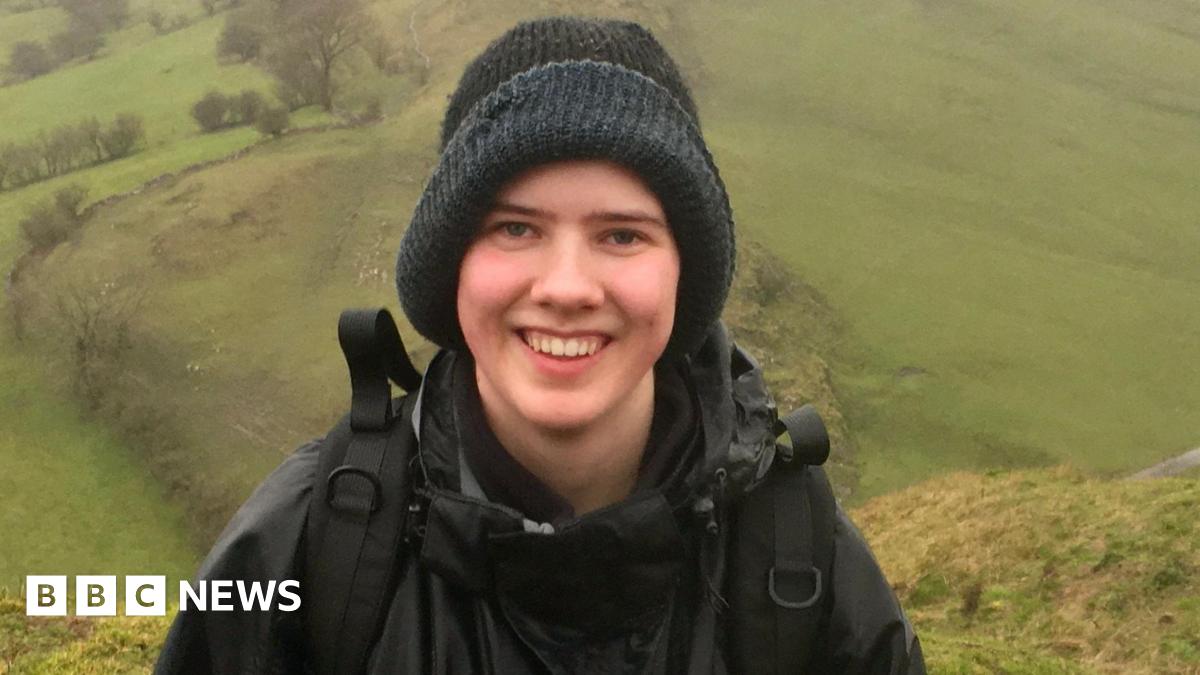
The recent inquest into the tragic death of 18-year-old Alex Bendall has drawn widespread attention, not only for its open conclusion but for the heartbreaking revelations that followed. Alex, a young person described by their family as "an incredibly compassionate, creative and loving" individual, was found dead in a Dorset river 70 days after going missing. The subsequent Family Honors Compassionate Teen Alex Bendall After Inquest, urging the world to remember the vibrant life lived, rather than solely the tragic circumstances of their passing. This powerful plea underscores a deeper narrative—one of hidden childhood abuse and its devastating, long-term impact on mental health.
For Alex's family, the inquest's conclusion marked a painful chapter, but also the beginning of an agonizing process of understanding. It was only in the aftermath of Alex's death that they uncovered evidence suggesting the teenager had been a victim of childhood sexual abuse, a secret meticulously guarded. This discovery has not only reshaped their understanding of Alex's past struggles but has profoundly altered how they grieve for their beloved child, sibling, and friend. The family’s brave decision to share Alex’s story highlights a critical societal issue: the silent suffering of abuse victims and the urgent need for greater awareness and support.
A Life Remembered: Beyond the Headlines and Statistics
Alex Bendall, known affectionately at home as "Bunky" and also by their birth name, Alice, lived a life rich with creativity and compassion. After turning 18, Alex officially changed their name and gender, embracing an identity that reflected their authentic self. This journey of self-discovery, however, was tragically cut short when Alex vanished on February 11, 2023, during a walk home from Dorchester to Charminster. A prolonged police search captivated the community, culminating in the somber discovery of Alex's body by a dog walker on April 22.
For Alex's mother, Vicky Hoddinott, and siblings, Will and Mary, the raw statistics surrounding Alex’s disappearance and death tell only a fraction of the story. They firmly reject any narrative that labels Alex as merely a "messed up" or "troubled" teenager. Instead, they want Alex to be remembered for the person they truly were: someone who radiated love, possessed a strong creative spirit, and demonstrated immense compassion for others. The three names – Alice, Alex, and Bunky – etched onto Alex's coffin symbolize the multifaceted identity of a person whose life, though brief, left an indelible mark on those around them. As Will eloquently stated, if people took anything away from the inquest, it should be that "Al was not just a headline, not just a statistic, there was a real person underneath."
The Unveiling of a Hidden Trauma: Childhood Abuse's Devastating Echo
The most harrowing aspect of Alex's story emerged after their death. While processing their grief, the family stumbled upon a diary containing notes that explicitly mentioned "rape." This shocking discovery was further corroborated when a close friend of Alex's revealed that Alex had confided in them about the abuse, detailing the profound anguish it had caused. This belated revelation cast a new, devastating light on Alex's struggles, transforming the family's understanding of their past.
Vicky, Will, and Mary are now tragically certain that this childhood sexual abuse was the root cause of a sudden and alarming decline in Alex's mental health. The secrecy surrounding the abuse, Will explained, was likely an attempt by Alex to "protect us" – a heartbreaking testament to the selflessness often displayed by victims. Vicky articulated the family's profound pain: "As a mum, discovering the events of the past has been painful. Not only has our present been turned upside down and our future, we're now having to rewrite the memories of our past, which is harrowing." This profound statement underscores the unique trauma experienced by families who discover such devastating secrets after a loved one is gone. It adds a layer of retroactive grief, forcing them to re-evaluate cherished memories through the lens of pain and hidden suffering.
Following the emergence of this evidence, Dorset Police initiated an investigation. However, in a statement, the force confirmed that "All police enquiries into this matter have concluded without any charges being brought." This outcome, while legally definitive, offers little comfort or closure to a family grappling with the profound injustice of what Alex endured.
Understanding the Psychological Impact of Concealed Abuse
Alex's story is a stark reminder of the long-term, insidious impact of childhood abuse, particularly when it remains hidden. Victims often carry immense shame, guilt, and fear, leading them to suppress their experiences, sometimes for decades. This suppression, while seemingly a coping mechanism, can manifest in severe mental health issues such as depression, anxiety, PTSD, and even suicidal ideation. The "sudden and appalling decline" in Alex's mental health, as described by their family, is a tragically common trajectory for individuals whose trauma remains unaddressed.
The act of confiding in a diary or a trusted friend, as Alex did, highlights a desperate need for release and acknowledgement, even when direct reporting feels impossible. For family members, discovering such a secret post-mortem complicates the grieving process, adding layers of sorrow, regret, and a painful re-evaluation of past interactions. The question of "how could we not have known?" haunts many in similar situations, emphasizing the sophisticated lengths abusers go to ensure silence and the deep-seated fear that paralyzes victims.
The Inquest's Open Conclusion and Lingering Questions
At Bournemouth Coroner's Court, Dorset Coroner Rachel Griffin recorded an open conclusion into Alex's death, stating she was "satisfied there is insufficient evidence Alex died by suicide." This type of verdict means the precise cause of death cannot be definitively determined, leaving many questions unanswered for the grieving family.
The inquest heard that Alex had experienced "some trouble in relation to their mental health" throughout their life. However, crucially, Mrs. Griffin also noted that "in the time leading up to their death, they seemed to be in a positive place." This observation was supported by evidence, including a text Alex sent to their brother Will, who was at university, saying "looking forward to you coming home." This apparent positivity in the immediate lead-up to their disappearance further compounds the complexity of Alex's final moments and the family's struggle for understanding.
An open conclusion, while a legal determination, can be emotionally challenging for families, as it does not offer the definitive answers often sought in such investigations. It leaves room for interpretation and the painful reality that some aspects of a loved one's final moments may forever remain shrouded in mystery. Yet, for Alex's family, the discovery of the abuse offers a harrowing, albeit incomplete, explanation for the underlying distress that may have ultimately contributed to Alex's tragic fate.
A Call to Action: Spotting the Signs and Offering Support
Alex Bendall's story serves as a profound call to action for communities, families, and individuals. Mary, Alex's sister, articulated this plea powerfully: "Often people see the tragedy and the result of abuse, but they don't spot the abuse as it's happening, in order to prevent the tragedy. So, with Alice, it is devastating that she died and I think what's even more upsetting is the abuse that caused it. And how that went unnoticed." This highlights the critical importance of recognizing the signs of abuse and creating environments where young people feel safe to disclose.
Practical Tips for Support and Prevention:
- Educate Yourself: Learn about the signs of childhood abuse, which can be subtle and varied. These might include sudden changes in behavior, unexplained injuries, fear of certain individuals, withdrawal, depression, anxiety, or unusual knowledge of sexual matters.
- Foster Open Communication: Create a safe, non-judgmental space where children and teenagers feel comfortable talking about anything. Listen actively, validate their feelings, and assure them that you are there to support them, no matter what.
- Observe Behavioral Changes: Pay close attention to sudden or sustained shifts in mood, sleep patterns, eating habits, academic performance, or social interactions. These can be indicators of underlying distress.
- Believe and Validate: If a child or teen confides in you about abuse, believe them. Their courage in speaking out is immense. Reassure them it is not their fault and they are not alone.
- Seek Professional Help: If you suspect abuse or if someone confides in you, connect them with trusted professionals, such as child protection services, therapists specializing in trauma, or helplines. Resources like the NSPCC in the UK or RAINN in the US offer invaluable support and guidance.
- Advocate for Mental Health: Promote awareness and reduce the stigma surrounding mental health issues, ensuring that young people feel comfortable seeking help for emotional distress, which can often be a symptom of deeper trauma.
The Dorset Teen's Death: Family Plea to See Beyond the Tragedy is a poignant reminder that while we cannot undo the past, we can collectively work towards a future where such hidden suffering is brought to light and addressed before it claims more young lives.
Conclusion
The inquest into Alex Bendall's death has not only concluded a legal process but has opened a crucial dialogue about the far-reaching consequences of hidden childhood abuse. Alex's family, in their immense grief, has shown extraordinary courage by sharing their story and advocating for their child to be remembered for the compassionate, creative, and loving person they were, rather than for the tragic circumstances of their passing. Their experience underscores the complex agony of discovering a loved one's secret trauma after they are gone and the painful process of "rewriting memories." Alex Bendall's life, and its tragic ending, serve as a powerful testament to the urgent need for vigilance, open communication, and robust support systems to protect children from abuse and to help survivors heal. By learning from Alex's story, we can hope to prevent future tragedies and ensure that no child's suffering goes unnoticed.