Dorset Teen's Death: Family Plea to See Beyond the Tragedy
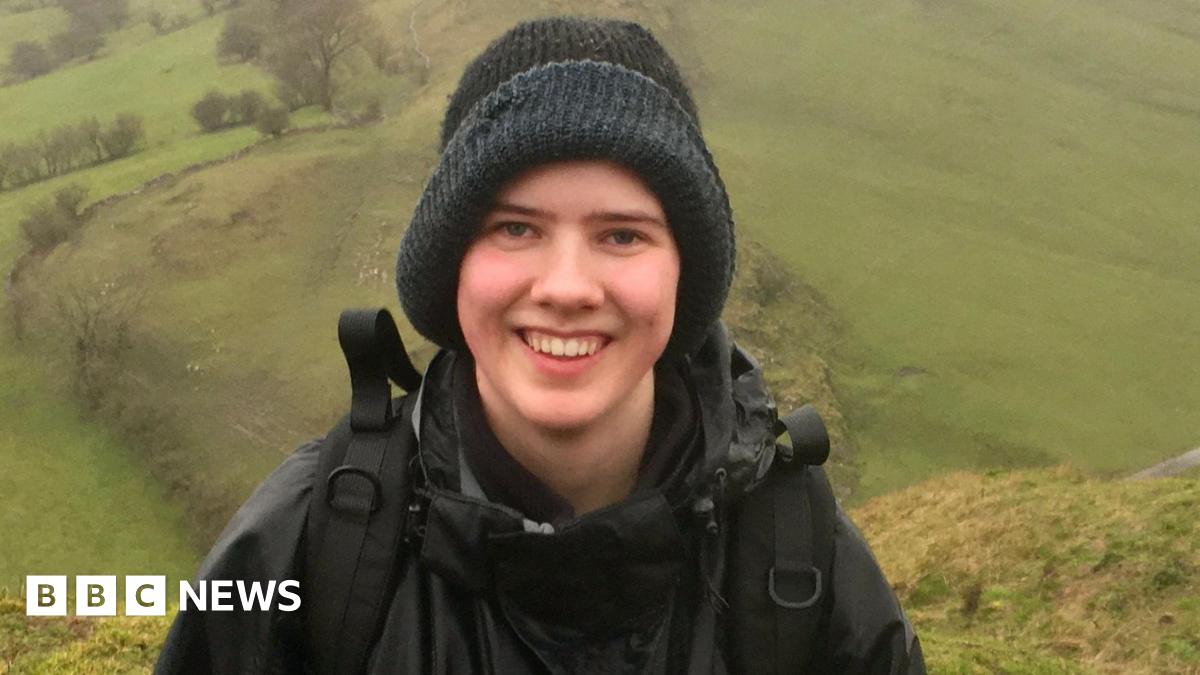
In the wake of an inquest into the death of Alex Bendall, an 18-year-old found in a Dorset river after going missing for 70 days, Alex's family has issued a poignant plea. They urge the public and media to remember Alex not merely as a tragic statistic or 'a body that was found', but as the "incredibly compassionate, creative and loving" individual they knew and adored. This heartfelt Family Tribute To 'Compassionate' Teen After Inquest Verdict seeks to shift focus from the devastating circumstances to the vibrant life Alex lived and the profound lessons learned from their untimely passing.
Alex, who was also known as Alice and affectionately called "Bunky" by loved ones, vanished on February 11, 2023, while walking home from Dorchester to Charminster. A prolonged police search tragically concluded on April 22 when Alex's body was discovered by a dog walker. The subsequent inquest, led by Dorset Coroner Rachel Griffin, recorded an open conclusion, stating there was "insufficient evidence Alex died by suicide." What emerged during and after the inquest was a shocking revelation that has forced Alex's mother, Vicky Hoddinott, and siblings, Will and Mary, to re-evaluate their entire past, present, and future.
A Life Remembered: Beyond the Headlines and Statistics
The family's most fervent wish is for Alex to be remembered for their true essence. Will Bendall expressed this sentiment powerfully, stating, "Al was not just a headline, not just a statistic, there was a real person underneath." Alex's journey included an official name and gender change after turning 18, moving from their birth name Alice to Alex. At home, they were often called "Bunky," an endearing childhood nickname. This spectrum of identity — Alex, Alice, Bunky — reflects a rich inner life that the family believes should define Alex's legacy, not the circumstances of their death.
Losing a loved one is inherently painful, but to have their memory overshadowed by the manner of their passing adds another layer of grief. Alex's family insists that this vibrant, creative, and loving soul deserves to be honored for the person they were, rather than reduced to a tragic narrative. They want the world to see the full picture: a teen who, despite facing immense personal battles, contributed love and compassion to those around them. This perspective is vital not only for Alex's memory but for how society views and discusses mental health and abuse survivors.
Unveiling Hidden Trauma: The Shocking Revelations
It was only after Alex's death that the family discovered the devastating truth: evidence suggesting Alex had been a victim of childhood sexual abuse. This revelation came as a profound shock, as Alex had kept this secret hidden, reportedly to protect their family. Notes found in Alex's diary spoke of a "rape," and a friend later confided that Alex had shared details of the abuse, describing the profound anguish it caused. This secret, held close for so long, had a devastating impact on Alex's mental health, leading to a sudden and alarming decline.
Vicky Hoddinott articulated the harrowing experience of this discovery: "As a mum, discovering the events of the past has been painful. Not only has our present been turned upside down and our future, we're now having to rewrite the memories of our past, which is harrowing." The revelation painted a new, heartbreaking picture of Alex's internal struggles, explaining the previously mystifying shifts in their well-being. This recontextualization of their shared history is an unimaginable burden for the family, highlighting the far-reaching and destructive power of hidden trauma.
While Alex never reported the abuse during their lifetime, Dorset Police launched an investigation once the evidence surfaced. However, in a statement, the force confirmed that "All police enquiries into this matter have concluded without any charges being brought." This outcome, while legally concluded, does little to alleviate the family's pain or the lingering questions surrounding the abuse that so deeply affected Alex.
The Silent Battle: Mental Health and Unseen Scars
Alex's story is a stark reminder of the silent battles many individuals face, particularly when dealing with hidden trauma like childhood sexual abuse. Such experiences can profoundly impact mental health, manifesting in ways that are often difficult for even the closest family members to understand. The complexity of these issues was underscored by Coroner Rachel Griffin's comments at the inquest, acknowledging Alex had "clearly during their life had some trouble in relation to their mental health." Yet, she also noted that in the time leading up to their death, Alex "seemed to be in a positive place," having sent a text to Will expressing excitement for his return home from university. This apparent contradiction highlights the often-invisible nature of mental health struggles and the incredible effort individuals might put into masking their pain.
Practical Tips for Supporting Mental Health and Trauma Survivors:
- Create Safe Spaces: Foster an environment where individuals feel safe and heard without judgment. Let them know you are there for them, no matter what they need to share.
- Recognize Subtle Signs: Changes in behavior, mood, sleep patterns, or social interaction can be indicators of distress. Don't dismiss them; gently inquire.
- Educate Yourself: Learn about the effects of trauma and mental health conditions. Understanding can lead to more effective support.
- Encourage Professional Help: Offer to help find and connect with therapists, counselors, or support groups. Professional guidance is often crucial.
- Maintain Open Communication: Regular, open conversations can help break down barriers of silence. Even if they don't share immediately, knowing they can is vital.
- Respect Their Pace: Disclosing trauma is incredibly difficult. Respect their timeline and never pressure them to share before they are ready.
The Family's Enduring Message: Prevention and Awareness
Alex's sister, Mary, delivered a powerful message that encapsulates the family's hopes for the future: "Often people see the tragedy and the result of abuse, but they don't spot the abuse as it's happening, in order to prevent the tragedy. So, with Alice, it is devastating that she died and I think what's even more upsetting is the abuse that caused it. And how that went unnoticed." This statement is a poignant call to action, urging society to become more vigilant and proactive in identifying and addressing abuse before it leads to irreversible devastation. This deeper dive into the impact of trauma is explored further in Alex Bendall Inquest: Uncovering Hidden Childhood Abuse's Impact.
The family's desire is not just to mourn Alex, but to transform their pain into a catalyst for change. They advocate for greater awareness of the signs of childhood abuse and the long-term psychological scars it leaves. Their plea extends to creating a society where children and young people feel empowered to speak out, and where adults are equipped to listen, believe, and act. This involves:
- Community Education: Implementing programs that teach parents, educators, and community leaders how to recognize the subtle indicators of abuse.
- Support Systems: Strengthening resources for children and adolescents experiencing abuse, ensuring they have access to safe avenues for disclosure and professional support.
- Breaking the Silence: Challenging the societal stigmas that often prevent victims from coming forward, emphasizing that the shame belongs solely to the abuser.
- Advocacy: Supporting organizations dedicated to child protection and advocating for stronger legal frameworks to protect vulnerable individuals.
Supporting Survivors and Fostering Disclosure
The tragic unfolding of Alex's story underscores the critical need for robust support systems for survivors of abuse. Creating a culture where disclosure is not only possible but encouraged is paramount. This means more than just having helplines; it means fostering empathy, belief, and unwavering support from every corner of society – from individual friends and family members to institutions like schools, healthcare providers, and law enforcement. When someone finally finds the courage to speak their truth, they need to be met with understanding, validation, and a clear path to healing and justice.
For those struggling with the aftermath of trauma or concerned about someone who might be, please reach out to national helplines and local support organizations. Resources are available, and you are not alone.
Conclusion
The inquest into Alex Bendall's death has brought to light not only the sorrow of a life cut short but also the silent suffering that can exist beneath the surface. Alex's family's brave and heartfelt Family Tribute To 'Compassionate' Teen After Inquest Verdict serves as a powerful reminder: to truly honor Alex's memory, we must look beyond the tragedy. We must recognize the beautiful, compassionate individual Alex was, acknowledge the devastating impact of hidden abuse, and commit ourselves to creating a world where such suffering does not go unnoticed. Their legacy is a call for greater empathy, vigilance, and a collective responsibility to protect the most vulnerable among us.