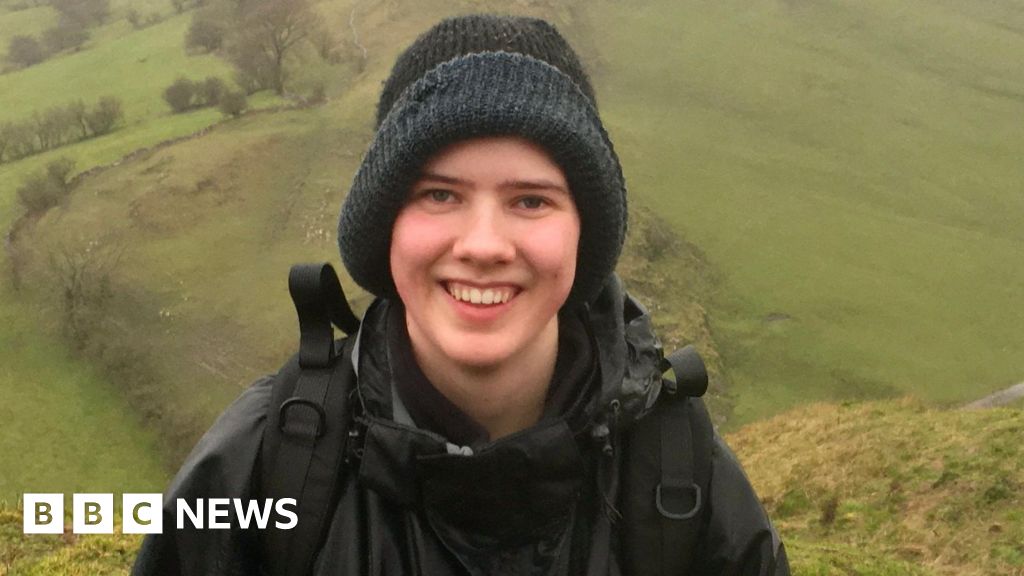
Family Honors Compassionate Teen Alex Bendall After Inquest
The tragic loss of 18-year-old Alex Bendall, found deceased in a Dorset river 70 days after going missing, has left a profound impact on their family and community. Following the inquest into Alex's death, the family has shared a deeply moving message: Alex, an individual also known as Alice, should be remembered not as a statistic or "a body that was found," but as an "incredibly compassionate, creative and loving" person. This powerful Family Tribute To 'Compassionate' Teen After Inquest Verdict underscores a plea for understanding, empathy, and a broader recognition of the unseen battles many young people face.
The Dorset Coroner, Rachel Griffin, recorded an open conclusion, stating there was "insufficient evidence Alex died by suicide." While the inquest sought to establish the circumstances of Alex's passing, the family's testimony has brought to light a heartbreaking discovery made only after Alex's death: evidence suggesting a history of childhood sexual abuse. This revelation paints a stark picture of hidden trauma and its devastating impact on mental health, urging us all to look beyond the surface of tragedy and strive to understand the complexities of individual experiences.
A Life Remembered: The Legacy of Alex Bendall
Alex Bendall vanished on February 11, 2023, during a walk home from Dorchester to Charminster, sparking an extensive police search that gripped the community. Seventy days later, on April 22, a dog walker made the grim discovery. For Alex's mother, Vicky Hoddinott, and siblings, Will and Mary, the days of uncertainty were agonizing, only to be followed by a new layer of pain and discovery. They describe Alex as far from "messed up" or "troubled" in the way headlines might suggest, but rather a vibrant individual who had endured unimaginable trauma.
Alex, who officially changed their name and gender after turning 18, was known by various loving names, including Alice and the childhood nickname "Bunky." All three names adorned Alex's coffin, a symbol of the multifaceted identity embraced by their family. Will, Alex's brother, expressed a profound desire for people to understand that "Al was not just a headline, not just a statistic, there was a real person underneath." This sentiment is a poignant reminder that every life lost is a rich tapestry of experiences, relationships, and dreams, deserving of respectful remembrance.
The Unseen Battle: Uncovering Hidden Trauma
The most harrowing aspect of the family's journey emerged after Alex's death: the discovery of evidence pointing to childhood sexual abuse. Diary entries referencing a "rape" and a friend's subsequent confession that Alex had confided in them about the abuse unveiled a secret burden carried in silence. This deeply painful truth, uncovered through notes and conversations, led the family to believe it was the root cause of a "sudden and appalling decline" in Alex's mental health.
Vicky Hoddinott articulated the profound sorrow of this realization: "As a mum, discovering the events of the past has been painful. Not only has our present been turned upside down and our future, we're now having to rewrite the memories of our past, which is harrowing." The process of re-evaluating cherished memories through the lens of trauma is an agonizing one, highlighting the far-reaching effects of abuse not just on the victim, but on their entire support system. Mary, Alex's sister, underscored a critical point: "Often people see the tragedy and the result of abuse, but they don't spot the abuse as it's happening, in order to prevent the tragedy." She added, "So, with Alice, it is devastating that she died and I think what's even more upsetting is the abuse that caused it. And how that went unnoticed."
Despite the family's heartbreaking discovery, Alex never reported the abuse. Once the evidence surfaced posthumously, Dorset Police conducted an investigation. However, the force concluded their enquiries "without any charges being brought," a outcome that often leaves families grappling for justice and answers. For more on the complex interplay of hidden trauma and the inquest's findings, you can read Alex Bendall Inquest: Uncovering Hidden Childhood Abuse's Impact.
Navigating the Inquest: Seeking Answers and Understanding
The inquest at Bournemouth Coroner's Court sought to piece together the events surrounding Alex's disappearance and death. Coroner Rachel Griffin concluded with an open verdict, a decision often reached when there isn't sufficient evidence to definitively determine the cause or intent of death. In Alex's case, while there were indications of mental health struggles during their life, the coroner noted that "in the time leading up to their death, they seemed to be in a positive place." This observation was supported by evidence such as a text Alex sent to Will, who was at university, expressing excitement for his return home: "looking forward to you coming home."
This apparent contradiction – a history of mental health challenges alongside recent positive indications – highlights the intricate and often invisible nature of mental well-being, particularly in the context of unaddressed trauma. An open conclusion, while providing legal clarity, often leaves families with lingering questions, but it also respects the ambiguity of human experience and intent. The family's message following the inquest is a powerful call to humanity, encouraging us to look beyond simplistic explanations and embrace the full, complex narrative of an individual's life.
Beyond Tragedy: Preventing Abuse and Fostering Support
The Bendall family's courageous sharing of Alex's story serves as a vital reminder of our collective responsibility to protect children and support young people struggling with trauma. Their plea is not just for Alex to be remembered, but for society to learn and grow from this devastating loss. Here are some actionable insights and practical tips inspired by their experience:
- Recognize the Signs of Abuse and Trauma: Be vigilant for changes in behavior, unexplained injuries, secrecy, withdrawal, difficulty forming relationships, sudden academic decline, or expressions of self-harm. These can be subtle and easily missed, especially when a child feels compelled to protect their abuser or their family.
- Create Safe and Open Communication Channels: Foster an environment where children and young people feel safe to speak without fear of judgment or disbelief. Let them know you are there to listen, no matter what. Regularly check in, not just on what they're doing, but how they're feeling.
- Educate Yourself and Others: Understand the long-term psychological impacts of childhood sexual abuse. Knowledge empowers us to better support survivors and challenge societal norms that allow abuse to persist in silence.
- Seek Professional Help and Offer Resources: If you suspect abuse or a child confides in you, know your local child protective services, helplines, and mental health resources. Professional intervention is crucial for safety and healing.
- Support Mental Health Initiatives: Destigmatize mental health discussions. Early intervention, access to therapy, and supportive communities can make a profound difference for young people grappling with complex emotions and trauma.
- Embrace the Complexity of Identity: Respect and affirm the identities of all young people, including those who are exploring their name, gender, or other aspects of self. A supportive and accepting environment is foundational to well-being.
Alex Bendall's story is a heartbreaking testament to the hidden struggles many face. The family's plea for remembrance and understanding resonates deeply, urging us to consider the full picture of a person's life, especially when confronting tragedy. As Alex's family articulates, we must strive to "spot the abuse as it's happening" to prevent future devastating outcomes. For a broader perspective on the family's powerful call to action, consider reading Dorset Teen's Death: Family Plea to See Beyond the Tragedy.
The legacy of Alex Bendall will undoubtedly live on through the love of their family and the important conversations their story has sparked. It is a stark reminder that beneath every headline lies a complex human story, deserving of compassion, understanding, and a society committed to protecting its most vulnerable members.